

The Nature of Speech, Language and Communication in the EYFS
In the Early Years Foundation Stage, Communication and Language is a Prime Area of Learning and is fundamental to children’s overall development. The EYFS recognises that children’s spoken language underpins all seven areas of learning and development.
Strong spoken language enables children to build secure relationships, express thoughts and feelings, regulate emotions, develop understanding and access learning across the curriculum. It is central to cognitive development, social competence and emotional wellbeing.
Our curriculum places a strong emphasis on spoken language to support children’s cognitive, social and linguistic development. We believe that positive communication fosters friendship, empathy, cooperation and confidence. Speaking and listening are not simply skills to be learned; they are the means through which young children think, learn and make sense of the world.
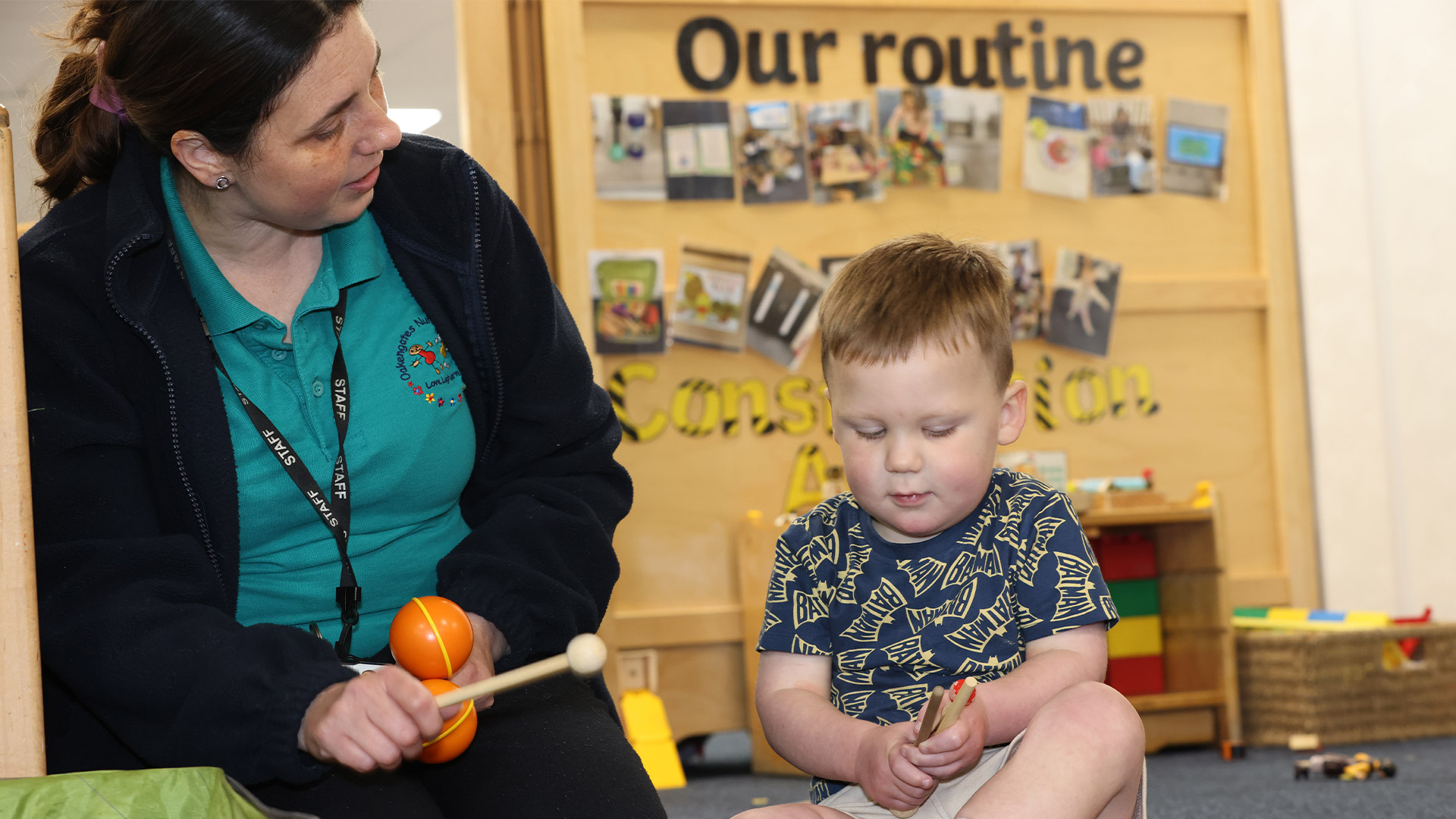
We recognise that high-quality interactions between adults and children make a significant difference to how communication and language skills develop. Children benefit from responsive, enthusiastic adults who listen attentively, model rich vocabulary, extend children’s ideas and show genuine interest in what children have to say.
The number, quality and depth of conversations children experience each day within a language-rich environment are crucial to their development.
Adult Interaction and Language Modelling
High-quality adult interaction is central to our approach. Staff are trained to be intentional, responsive and reflective in their conversations with children, modelling rich language and supporting children to express themselves with confidence.
To support this, all staff use our Top 10 Tips for Communication in their daily practice:
-
Say the child’s name first
-
Repeat what the child has said
-
Use simple, repetitive language
-
Extend what the child has said
-
Wait and give time to respond
-
Model language rather than correct
-
Use all senses
-
Use gesture, tone of voice and facial expression
-
Be careful with questions
-
Have fun!
These strategies ensure conversations are meaningful, supportive and developmentally appropriate, helping children feel listened to and valued.
Staff carefully observe, assess and plan for children’s language development using Communication Flowers. This structured approach enables adults to intentionally plan and model key nouns, adjectives and verbs, ensuring children are exposed to a rich range of vocabulary across play and learning experiences.
Through this assessment–planning–teaching cycle, adults model, repeat and extend language in the moment, supporting children to deepen understanding, make connections and confidently use new words in context.
Language is woven throughout the day, with adults consistently reinforcing vocabulary to ensure every child is supported to become a confident communicator.
How Children Develop Communication and Language
We support children to develop communication through meaningful interactions that include:
-
words
-
body language
-
facial expressions
-
actions and gestures
-
songs and rhymes
We understand that language development is progressive and cumulative. Children are supported to:
-
understand spoken language
-
develop and use a widening range of vocabulary
-
build increasingly complex sentences
-
understand stories, narrative and sequencing
-
develop clear speech and early grammatical structures
-
form positive social interactions with adults and peers
Our EYFS Curriculum Approach
To ensure all children achieve well, we prioritise:
-
an engaging and enriching curriculum
-
high-quality teaching and interaction
-
ongoing observation and formative assessment to inform next steps
Our ambitious EYFS curriculum immerses children in progressive knowledge and skills while developing the personal characteristics they need to thrive.
We recognise that every child is unique. We support language development by ensuring children:
-
learn in playful, language-rich environments full of stories, songs, rhymes, signs, talk and imaginative play
-
engage in hands-on experiences that provide meaningful contexts for exploring and applying new vocabulary
-
hear stories read aloud daily so they internalise sentence structures, question forms and expressive language
-
are immersed in the natural flow of language throughout the day, strengthening listening, comprehension and expressive skills
Through these experiences, children develop confidence as communicators and build the secure foundations they need to thrive in nursery, their next stage of education and later life.